

Live video events have become a core part of how brands connect with audiences. Whether it is a product launch, a conference keynote, or a hybrid company meeting, the technology behind the stream determines how professional the experience feels. Brainblaze, a San Francisco Bay Area advertising and design agency with 25 years in business and more than 500 clients served, has seen how strong video can elevate a brand. This guide breaks down the live video event technology that keeps streams smooth and audiences locked in.
Why Live Video Event Technology Matters
Live streaming boosts event engagement, accessibility, and audience reach, allowing attendees to join from anywhere in real time. That is the core promise of a live video event. Video has been part and parcel of the event tech landscape for the past decade, and audience expectations around quality have grown with it.
Some event planners assume that live streaming is either really expensive, will reduce attendance, or is only relevant for massive events like Glastonbury or Dreamforce. Those assumptions do not hold up. With platforms like Facebook Live, YouTube Live, and Periscope on the rise, the barriers to entry have dropped significantly. The real challenge is not whether to stream, but how to do it well.
Choosing the Right Streaming Platform
One of the most important decisions in live video event technology is the platform. YouTube Live is a go-to option for reaching large audiences and building long-term visibility. It offers built-in discoverability, which means people can find your event through search even before it begins. That makes it a strong choice for public events where you want to grow your audience over time.
Facebook Live is another option that leverages an existing social audience. Periscope also emerged as a mobile-friendly option, though the platform landscape has shifted over the years. The takeaway is that each platform has different strengths, and the right choice depends on your goals, your audience, and the level of interactivity you want.
The Production Backbone: Displays, Signal Flow, and Content
Behind every seamless live video event is a properly designed video production system. Video is one of the most powerful storytelling tools in live event production. From keynote presentations and IMAG, short for image magnification, to immersive LED walls and projection mapping, video systems shape how audiences experience content, absorb information, and connect with a brand.
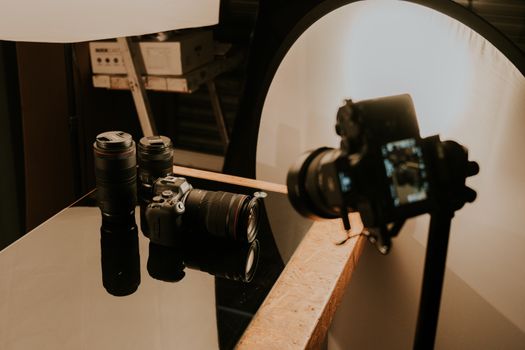
The core components of video production for live events include displays, signal flow, and content creation. Displays are what the audience sees, whether that is a large LED wall, a projector screen, or a confidence monitor for the presenter. Signal flow is the invisible highway that carries video from cameras to switchers to displays. Content creation covers the slides, graphics, and playback elements that appear on screen.
If any one of these components fails, the audience notices. A seamless event depends on a reliable signal path and dependable display systems. Advanced applications like IMAG give remote and in-person audiences close-up views of speakers, while projection mapping can turn ordinary surfaces into dynamic visual experiences.
Building an Event Tech Stack That Works
An event tech stack is the collection of tools and platforms used to run an event. For live video, the goal is a reliable way to livestream and deliver content directly within your event management platform, with no extra tools and no compromises. When the streaming solution lives inside the same platform you use to manage registrations, schedules, and attendee data, the event feels much more seamless.
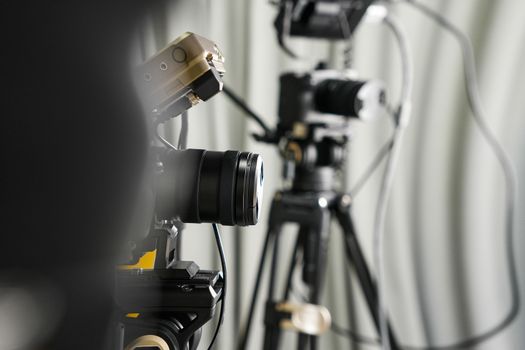
There are also sophisticated setups for hybrid events. One in-person and hybrid event tech setup featured a unique two-track system powered by Zoom Events. Track one featured dynamic multi-camera live production, which gave remote viewers a polished, professional feed. Multi-camera workflows allow you to switch between wide shots, speaker close-ups, and audience reactions, creating a more engaging experience for people watching from home.
Planning, Rehearsal, and On-Site Execution
Technology is only half the story. Best practices for using event technology well start with planning and rehearsal and extend to on-site execution. A stream is only as good as the preparation behind it.
Planning means mapping out your equipment, signal flow, and the role of every person on the production team. Rehearsal is where you catch problems before the audience does. This includes testing camera angles, checking audio levels, and running through the full stream from start to finish. On-site execution is where the plan pays off, but it also requires flexibility. Even the best-rehearsed events can hit unexpected issues, and a skilled crew knows how to solve them in real time.
A successful livestream also extends beyond the live moment. Planning how to promote the event, engage viewers during the stream, repurpose the content afterward, and maximize results after it ends will help you get more value from the same production effort.
Going Live from Anywhere with Mobile Streaming
Not every live video event requires a full production truck. Mobile devices have made it possible to live stream from almost anywhere. You can live stream events easily using a mobile device, and it works on iOS as well as Android smartphones. It works in any location with WiFi or a data plan.
This makes mobile streaming an attractive option for smaller events, behind-the-scenes content, or situations where a full camera crew is not practical. The trade-off is control. A professional production setup offers better audio, better switching, and better reliability. But for quick, authentic live content, a mobile device can be the right tool.
Professional Support for Virtual and Hybrid Events
For organizations that want a higher level of polish, professional live streaming services are available. These services handle virtual and hybrid events through global studio networks, live streaming solutions, and high-end AV equipment. A dedicated team can manage everything from camera operation to encoding to distribution, often across multiple locations.
A global studio network is especially useful for hybrid events, where an in-person audience and a remote audience need to feel equally connected. High-end audio-visual equipment ensures that video quality and sound quality meet professional standards. For brands that prefer to focus on their content rather than the technical details, this can be the most reliable path to a seamless event.
Frequently Asked Questions
What equipment do I need to livestream an event?
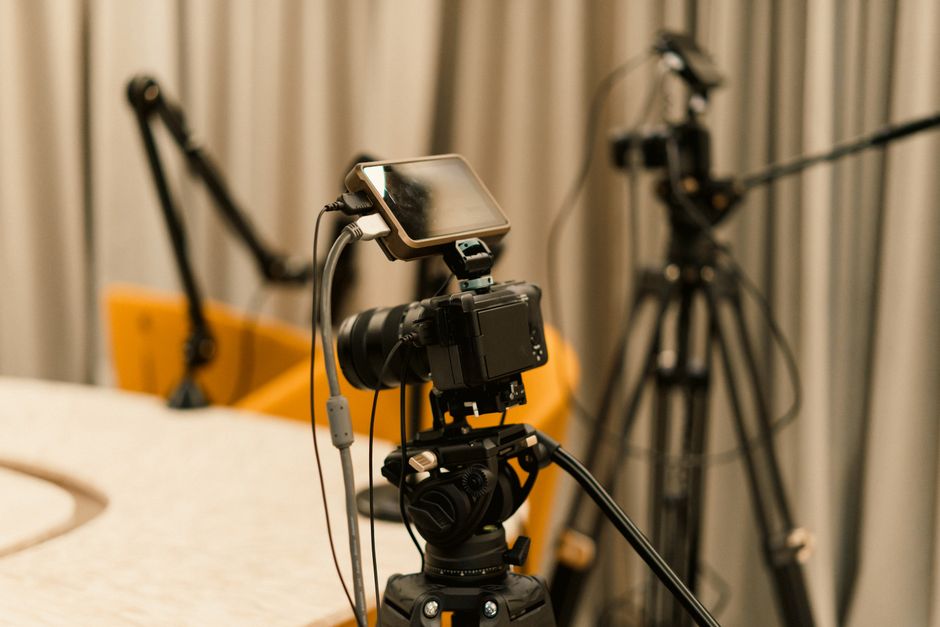
The equipment you need depends on the scale of the event. At a minimum, you need a camera, a microphone, and a device that can encode and transmit the stream. Many events use mobile devices, which work on both iOS and Android. Larger productions often use multi-camera systems, video switchers, displays, and high-end audio equipment.
What is the best platform for live events?
YouTube Live is a go-to option for reaching large audiences and building long-term visibility because of its built-in discoverability. Facebook Live is useful for reaching an existing social audience. Periscope also emerged as a mobile-friendly option. The best platform depends on your event goals, audience size, and how much interactivity you need.
Can I live stream from a mobile phone?
Yes. Mobile live streaming works on iOS and Android smartphones and can be done from any location with WiFi or a data plan. It is a practical option for smaller events, quick updates, and behind-the-scenes content. For high-stakes productions, a multi-camera professional setup gives you more control and reliability.
What is the difference between virtual and hybrid events?
A virtual event takes place entirely online. A hybrid event combines an in-person audience with a remote audience. Both rely on live streaming technology, but hybrid events often require more complex setups, including multi-camera production and sometimes a global studio network, so that remote attendees feel equally connected.
How much does it cost to live stream an event?
Costs vary widely depending on the scale, equipment, and level of professional support. Mobile streaming can be done with minimal investment, while full productions with multi-camera setups and high-end AV equipment require more significant budgets. For accurate pricing, check with live streaming service providers directly.