


Choosing the right visuals for an advertising campaign is a critical decision that affects budget, brand perception, and customer trust. The debate between stock photos vs custom photography for advertising often comes down to cost versus authenticity. Stock photography offers a budget-friendly, quick solution, while custom photography provides unique, brand-specific imagery. Both have distinct advantages and drawbacks. Understanding when each option works best can help advertisers make informed choices that align with their goals and resources.
Cost Comparison: Budget-Friendly Stock vs Expensive Custom
The most obvious difference between stock and custom photography is the price. Stock photos are generally considered a budget-friendly option. The average cost of a stock photo ranges from $1 to $15, depending on the quality, licensing type, and subscription model. Many agencies and small businesses subscribe to stock image services, paying a flat fee for access to thousands of images. This makes stock photography an attractive choice for campaigns with limited budgets or high image volume needs.
Custom photography, on the other hand, is significantly more expensive. Hiring a professional photographer, renting a studio or location, paying models, and covering post-production editing all add up. While the exact cost per image varies widely and depends on the scope of the shoot, it is always substantially higher than buying a stock photo. However, many marketers consider custom photography a worthwhile investment when the goal is to increase sales and customer loyalty.
Authenticity and Brand Trust
One of the strongest arguments for custom photography is the authenticity it brings to advertising. Custom photos can show actual products, real team members, and genuine work environments. That level of realism builds trust with potential customers. Consumers are more likely to believe a brand that presents itself honestly. According to one study, 67% of consumers say high-quality images are a major factor in selecting and purchasing a product. Custom photography allows a brand to create those high-quality, authentic visuals that stock images often lack.
Stock photos are generic by nature. They are created for broad use across many industries. This can make them appear insincere or staged. When a stock photo does not align with a brand’s identity, it can harm credibility. Additionally, stock photos can lead to what is sometimes called “twinning” with competitors. If multiple businesses use the same stock image, it becomes obvious and the ads lose their uniqueness.
Time and Convenience
Stock photos offer immediate availability. After purchase, the image can be downloaded and used right away. No planning, no scheduling a shoot, no waiting for editing. This speed is invaluable for campaigns that need to launch quickly or for recurring content needs like social media posts.
Custom photography requires much more time. Planning the shoot, booking a photographer and models, capturing the images, and then editing them all take days or weeks. For brands with the luxury of time, that effort pays off in unique, on-brand assets. But for last-minute deadlines, stock photos are the practical choice.
Legal and Licensing Considerations
Stock photos come with specific licenses that advertisers must follow carefully. Common license types include royalty-free, rights-managed, and editorial only. Each imposes different restrictions on usage, such as limits on print runs, distribution channels, or the ability to modify the image. Ignoring these terms can lead to legal issues.
Custom photography typically gives the client full usage rights. The brand owns the images outright or has a broad license to use them however needed. This eliminates the worry about licensing restrictions and makes custom photography the safer option for long-term campaigns. It is worth noting that using stock photos in advertising is not inherently illegal, but violating the license agreement can have consequences. The research pack does not support the claim that using stock images to advertise services is illegal; advertisers should simply read and follow the license terms provided by the stock photo platform.
Competitive Differentiation
In a crowded advertising landscape, standing out is essential. Custom photography ensures that a brand’s images are completely unique. No competitor can use the same photo of the same model in a similar setting. This exclusivity reinforces brand identity and prevents audience confusion.
Stock photos, while convenient, risk making a brand look like every other business using the same library. A potential customer might see the same smiling dentist or happy office worker in ads for multiple companies. That repetition dilutes the impact of the advertising and reduces trust.

When to Choose Stock Photos
Stock photography works well in specific situations. For healthcare content, it is often recommended to avoid using real patient images due to HIPAA regulations. Stock photos can safely illustrate medical concepts without violating privacy. They are also useful for industries where visual variety is needed quickly, such as blog posts, social media graphics, or background images. When budget is tight and the image does not need to represent a specific product or team, stock photos are a practical solution.
When to Choose Custom Photography
Custom photography is especially important for industries where authenticity drives purchasing decisions. Food and beverage, nonprofit, retail, and fine art brands benefit from showing real products and genuine moments. A photo of an actual dish, a real volunteer helping a cause, or a handcrafted item in its natural setting communicates a message that stock imagery cannot match. Custom photos help brands communicate their unique message and differentiate themselves from competitors.
The Best Approach: A Strategic Mix
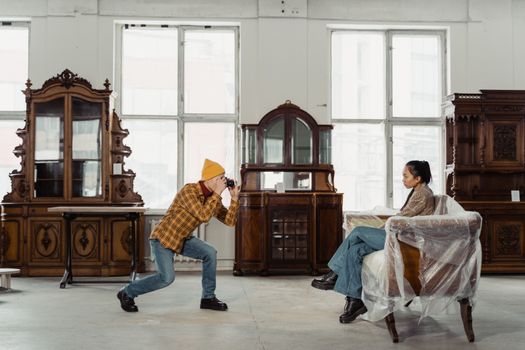
Many advertising professionals recommend using a mix of both stock and custom photography. Custom images should be used where authenticity and brand uniqueness are critical, such as hero images on landing pages, product shots, and team photos. Stock photos can fill in for generic needs like abstract concepts, backgrounds, or secondary illustrations. This balanced strategy allows brands to maximize their budget while still presenting an authentic, trustworthy face to customers.
Frequently Asked Questions
Is it illegal to use stock photos in advertising?
No, it is not illegal to use stock photos in advertising as long as you follow the license terms provided by the stock image platform. Each license specifies allowed uses, restrictions, and whether the image can be used for commercial purposes. Violating those terms can lead to legal penalties, so always read the license before using any stock photo.
How much does custom photography typically cost per image?
The research pack does not provide a specific per-image cost for custom photography. It is significantly more expensive than stock photography because it includes hiring a photographer, models, location fees, and editing time. The total cost varies based on the shoot’s complexity and the photographer’s rates, so it is best to request quotes from professionals for an accurate estimate.
Can I mix stock and custom photos in the same campaign?
Yes, a mix of stock and custom photos is often the best strategy. Use custom images for key visuals that need to feel authentic and unique, such as photos of your actual team or products. Use stock photos for more generic or supporting images, like backgrounds or abstract concepts, to keep costs down while maintaining a professional look.
Do custom photos really improve sales compared to stock photos?
While the research pack does not contain specific ROI data directly comparing the two, it notes that custom photography can be worth the investment for increased sales and customer loyalty. Additionally, 67% of consumers say high-quality images influence their purchase decisions. Custom photos build trust and authenticity, which are factors that often lead to better conversion rates.
What industries should avoid stock photos altogether?
Industries where authenticity is paramount benefit most from custom photography. Food and beverage, nonprofit, retail, and fine art sectors are especially recommended to use custom images. For healthcare content, stock photos are often used to avoid HIPAA violations, but even then, selecting high-quality, relevant stock images is important. In general, any brand that needs to convey a unique identity should prioritize custom photography for its main advertising visuals.